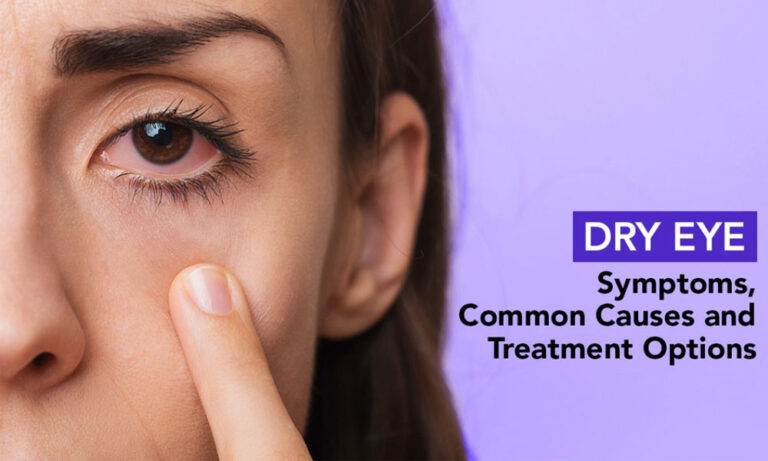
Eye emergencies can happen unexpectedly and may pose a serious threat to your vision if not treated promptly. Knowing how to recognize the warning signs and seek immediate care can make a significant difference in protecting your eyesight and preventing long-term complications. An eye emergency includes any injury, infection, or sudden vision change that requires …

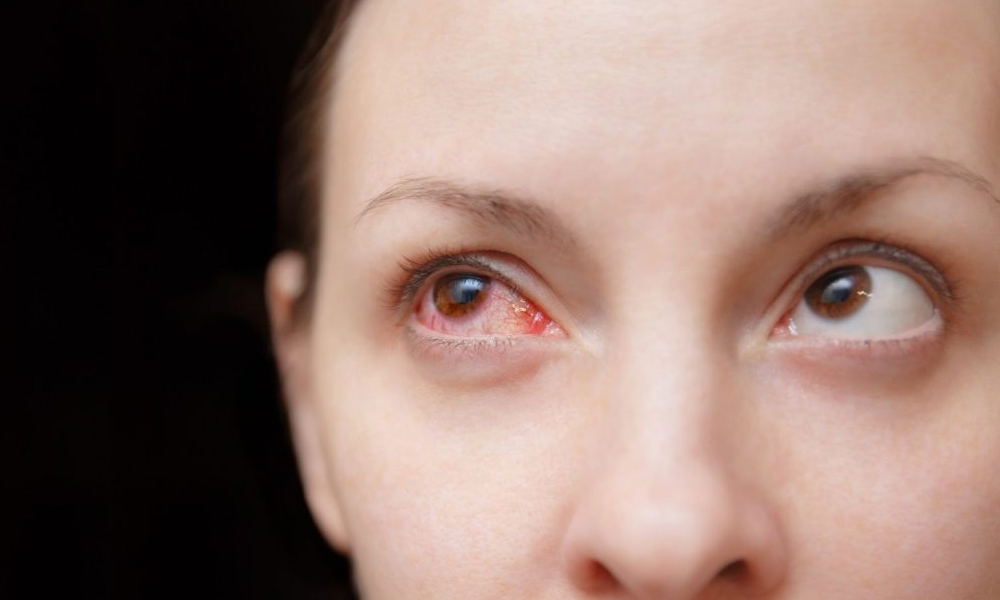
Eye emergencies can happen unexpectedly and may pose a serious threat to your vision if not treated promptly. Knowing how to recognize the warning signs and seek immediate care can make a significant difference in protecting your eyesight and preventing long-term complications.
An eye emergency includes any injury, infection, or sudden vision change that requires urgent medical attention. Common examples include eye trauma, chemical exposure, severe eye pain, sudden vision loss, flashes of light, a sudden increase in floaters, or a foreign object lodged in the eye. According to the Canadian Association of Optometrists, prompt evaluation and treatment are essential for minimizing the risk of permanent vision damage.
Some symptoms should never be ignored. Sudden blurred or double vision, significant redness accompanied by pain, swelling around the eye, sensitivity to light, or bleeding in or around the eye may indicate a serious condition. In cases involving chemicals, immediate flushing of the eye with clean water and urgent medical attention are critical steps that can help reduce damage.
At Envision Eyes Optometry, we encourage patients to seek immediate professional care whenever they experience sudden or severe eye symptoms. Delaying treatment can increase the risk of complications and may affect the success of treatment outcomes.
Treatment for eye emergencies varies depending on the cause. Eye infections may require prescription medications, while injuries may need specialized medical care to prevent further damage. Conditions such as retinal detachment, acute glaucoma, or severe trauma often require urgent intervention to preserve vision. Early diagnosis and treatment significantly improve the chances of a positive outcome.
Prevention is also an important part of maintaining eye health. Wearing protective eyewear during sports, construction work, yard work, and other high-risk activities can help prevent many eye injuries. Following proper contact lens hygiene, avoiding rubbing the eyes with unclean hands, and scheduling routine eye examinations can further reduce the risk of eye-related complications.
Understanding the signs of an eye emergency and acting quickly can help protect your vision. If you experience sudden eye pain, vision changes, or an eye injury, seek professional care immediately. Prompt treatment is often the key to preserving long-term eye health and maintaining clear, healthy vision.
Book a Consultation
It’s easy and free!