Dry eye syndrome is a widespread eye condition that can develop in people of any age, causing ongoing discomfort if left untreated. If your eyes often feel itchy, gritty, watery, or irritated, you may be experiencing Dry Eye Syndrome. While occasional dryness is normal, persistent symptoms should not be ignored, as they can interfere with …

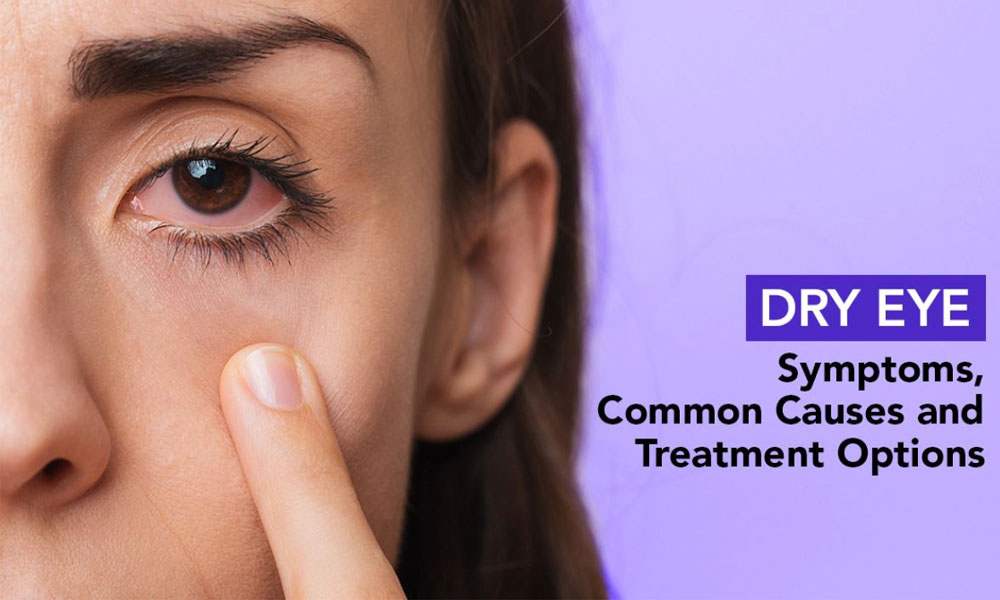
Dry eye syndrome is a widespread eye condition that can develop in people of any age, causing ongoing discomfort if left untreated. If your eyes often feel itchy, gritty, watery, or irritated, you may be experiencing Dry Eye Syndrome. While occasional dryness is normal, persistent symptoms should not be ignored, as they can interfere with daily activities and affect your overall eye health. At Envision Eye Care, we believe that understanding the cause is the first step toward finding lasting relief.
One of the most common causes of dry eyes is prolonged screen time. Staring at computers, smartphones, or tablets reduces your blinking rate, causing tears to evaporate more quickly. Following the 20-20-20 rule and taking regular breaks can help reduce digital eye strain.
Another frequent cause is aging. As we grow older, our eyes naturally produce fewer tears, making dry eyes more common, especially in adults over 50. Hormonal fluctuations, especially during menopause, can reduce tear production and increase the likelihood of experiencing dry eye symptoms.
Environmental factors such as air conditioning, heating systems, pollution, smoke, and windy weather can cause tears to evaporate faster. Wearing sunglasses outdoors and using a humidifier indoors may help maintain healthy moisture levels in your eyes.
In addition, certain health conditions and prescription medications may interfere with normal tear production, contributing to chronic dry eyes. Diabetes, thyroid disorders, autoimmune diseases, antihistamines, antidepressants, and some blood pressure medications may reduce tear production. A comprehensive eye examination can help determine whether these factors are contributing to your symptoms.
Fortunately, several effective treatments are available. Artificial tears, prescription eye drops, warm compresses, eyelid hygiene, and lifestyle modifications can significantly improve comfort. Staying hydrated, eating foods rich in omega-3 fatty acids, and scheduling regular eye exams are also important for maintaining healthy tear production.
If dry eye symptoms continue despite home care, it’s time to consult an eye care professional. At Envision Eye Care, our experienced optometrists provide personalized dry eye evaluations and treatment plans to help you find lasting relief and protect your vision. Visit www.envisioneyes.ca to learn more about our services or book your comprehensive eye examination today.
Book a Consultation
It’s easy and free!